01
Anodizing troubleshooting
Surface defects, inconsistent oxide layers, staining, burning, poor appearance and unstable results.
Troubleshooting, process optimization, electrolytic and interference coloring, sealing and production support — backed by 17 years of hands-on industrial experience.
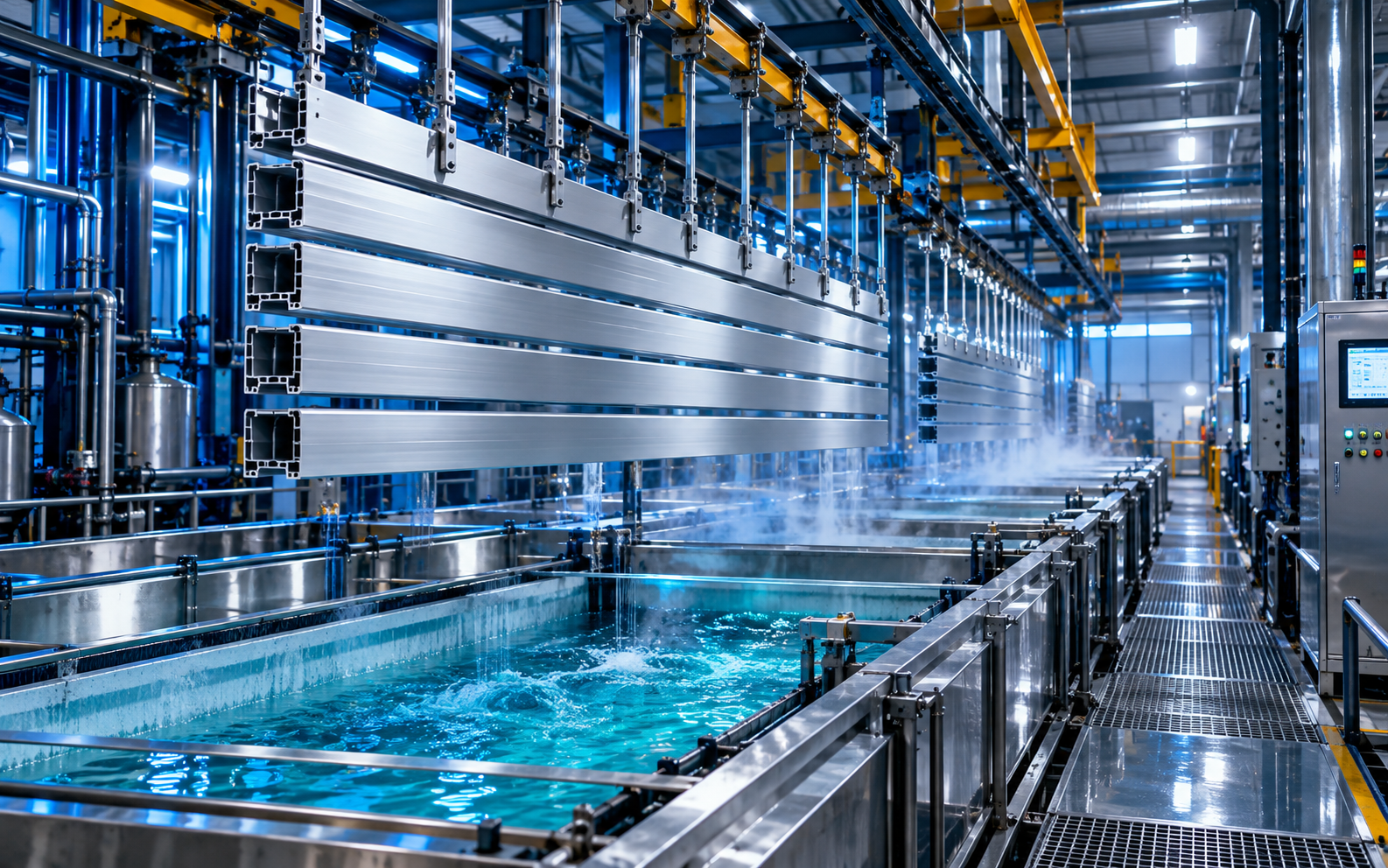
A specialist consultancy should make the technical value clear immediately. Each service is framed around the type of problem an anodizing operation actually needs solved.
Surface defects, inconsistent oxide layers, staining, burning, poor appearance and unstable results.
Improve repeatability, line discipline, bath control, cycle times, rinsing strategy and reject rate.
Shade development, grey / bronze / black tones, tin-based coloring and difficult repeatability issues.
Sealing conditions, rinse quality, conductivity and final quality performance.
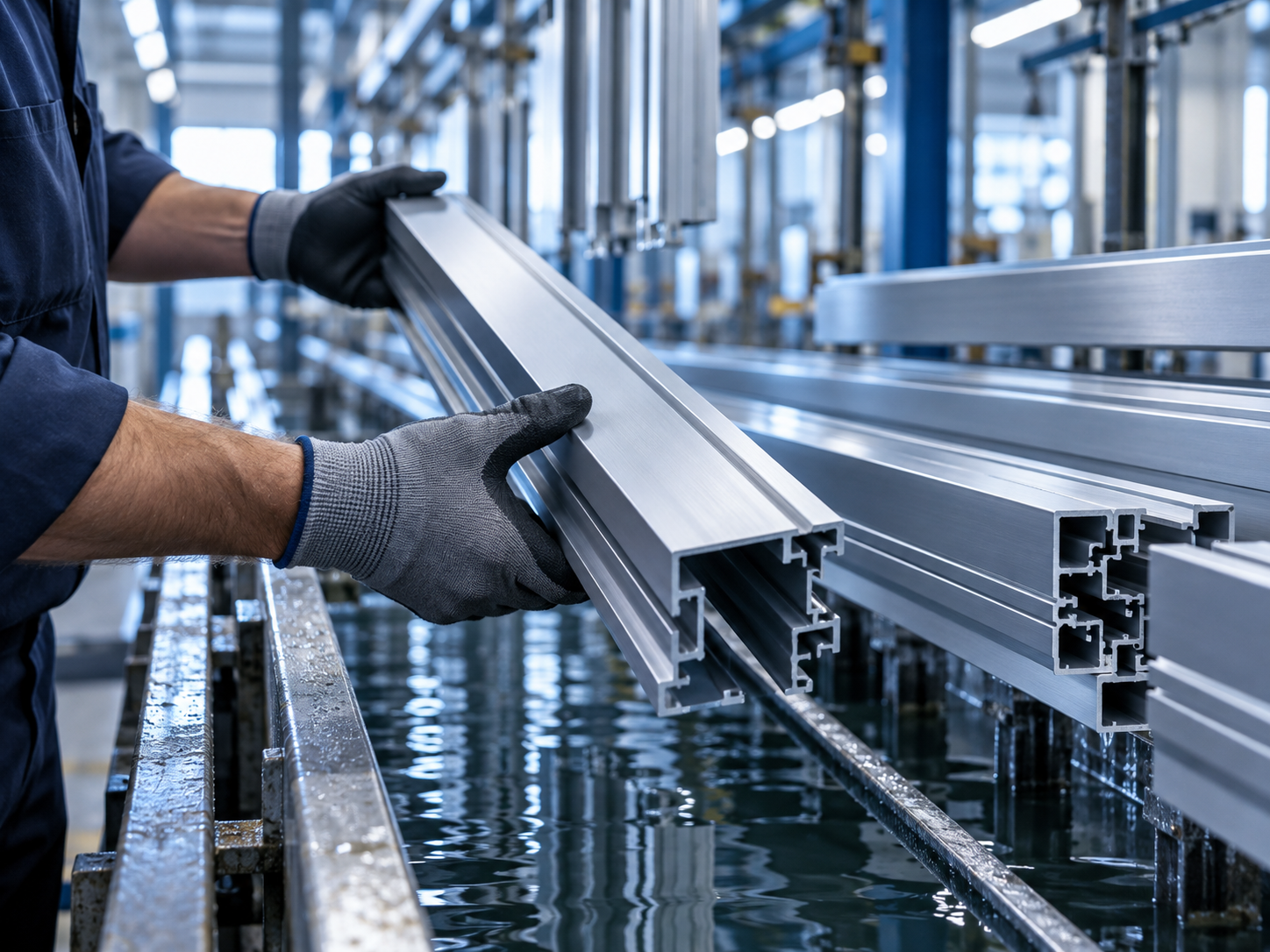
Pretreatment, electrical contact, bath condition, loading, rinsing, coloring and sealing interact. The value is in understanding the whole process rather than changing one setting at random.
A technically demanding area where oxide structure, electrical program, bath condition, immersion sequence and post-treatment all influence the final shade.
The consulting approach is based on long-term hands-on work with anodizing and coloring processes, production optimization and day-to-day troubleshooting. The emphasis is on technically defensible, practical next steps.
Describe the defect, production objective and recent process changes. Share the data already available.
Review the process as a system: pretreatment, anodizing, electrical conditions, coloring, rinsing and sealing.
Prioritize practical tests and corrective actions that can be implemented on the operating line.
Send defect photos, bath analyses, alloy information, temperatures, voltage/current data, load details and any recent changes. A remote review can often identify the most likely technical direction before an on-site visit.